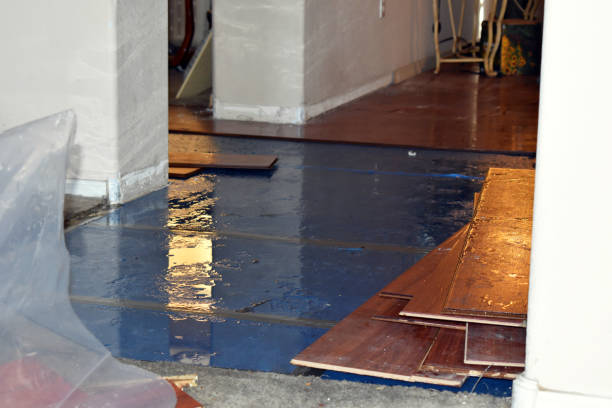
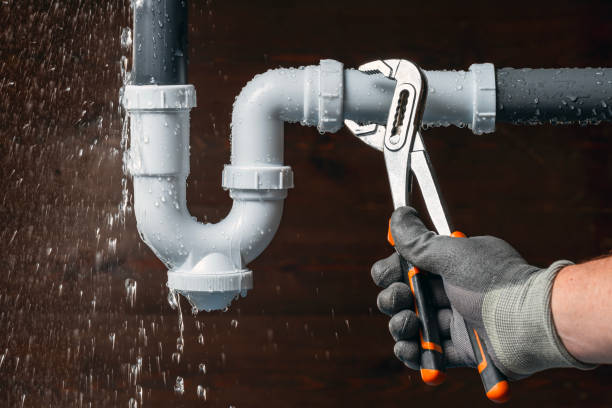
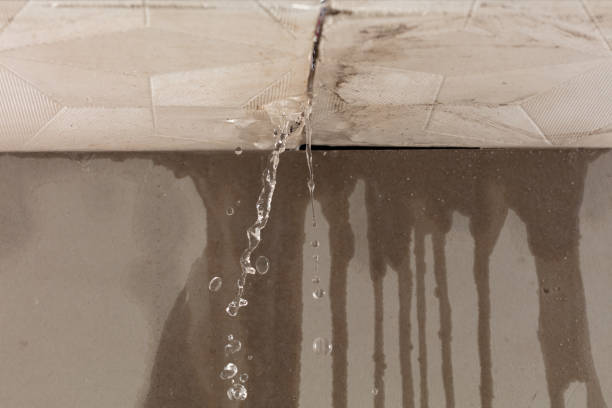
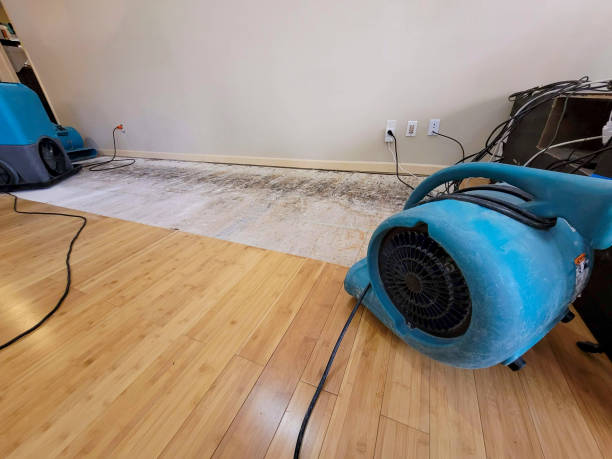
Flood water rarely arrives clean, and it rarely stays in one room. Our Flood Damage Restoration crews handle contamination classification, extraction, and structural drying as one coordinated response.
Call +1-844-833-1325 Now
Flood water almost never arrives alone — debris, contamination, and structural stress usually show up together, so our assessment covers all three instead of treating the water as the only issue.
We'd rather explain the flood damage restoration process in plain terms upfront than have you find out the hard way what a shortcut costs later.
We built this list around what typically goes wrong when flood damage restoration gets handled by a generalist rather than a specialist.
None of these standards are unique to us in theory, but they're worth confirming before you let anyone start flood damage restoration work on your property.

Flood water gets classified and handled differently from a clean supply-line leak.
Crews scale up quickly during widespread flood events instead of being stretched thin.
We know flood claims often face extra scrutiny, so our reporting is built to hold up.
A written estimate comes before work begins, even during high-demand storm periods.
We don't treat flood damage restoration as a single generic task — each part of the process below gets its own specific approach.

Truck-mount extraction removes bulk floodwater fast, classified for contamination before removal.
PPE and disposal protocols follow IICRC S500 guidelines for flood-category water.
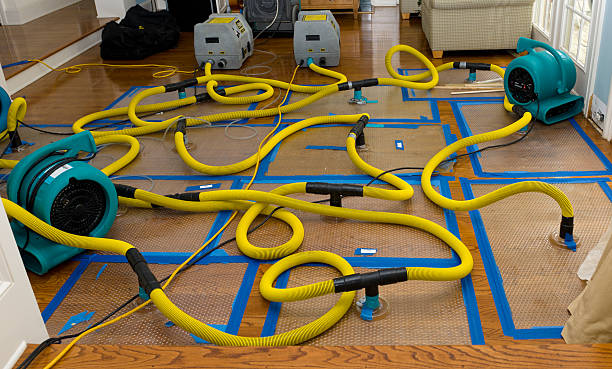
Large-capacity dehumidifiers and air movers get deployed for whole-structure flood drying.
We treat the 48-hour mold window as critical, especially with contaminated flood water.
Unsalvageable materials get removed and documented, from flooring to drywall below the waterline.
Once the structure is verified dry, reconstruction handles everything from subfloor to finish work.
Four steps, no guesswork, from your first call to a verified flood damage restoration result.
Dispatch gathers just enough detail to load the right equipment before the truck leaves.
The truck that arrives is stocked specifically for Flood Damage Restoration jobs, not a generic handyman setup.
A technician assesses the scope on-site and provides a written flat-rate quote before any work begins.
A job isn't closed on a visual check — it's closed on a verified reading.


"Storm water got into our first floor and they scaled up crews fast instead of making us wait."
Ivy Chen, Fulton"They explained the Category 3 protocol clearly instead of just showing up in hazmat suits unannounced."
Preston G., Fulton"Pricing stayed flat-rate even though it was clearly a high-demand week for them."
Julian V., Fulton"Our whole first floor took on flood water and they brought in extra crew instead of leaving us waiting days."
Katrina L., Fulton"They handled the full scope, from contaminated water extraction through the final reconstruction walkthrough."
Owen D., FultonThese are the questions we hear most often about flood damage restoration, gathered from real calls, not a generic template list.

Our flood damage restoration coverage spans 42041, with trucks positioned to reach any address in the service area quickly.
Coverage extends past the immediate area, so an outlying Fulton address isn't treated as a lower priority for flood damage restoration.